

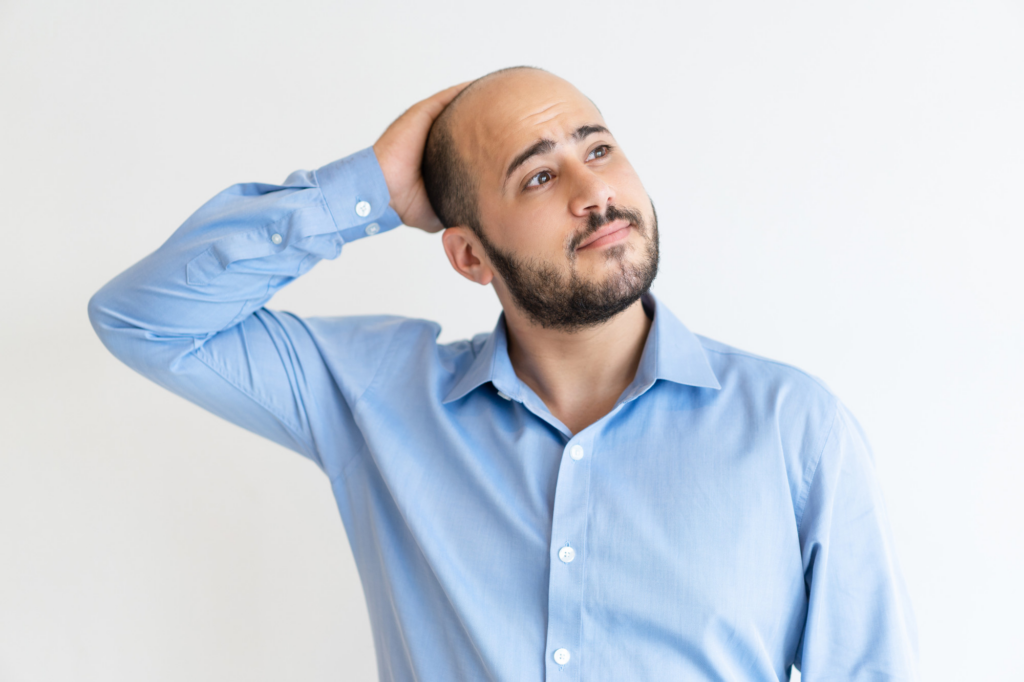
What is Alopecia?
Alopecia is the medical term for hair loss. It can affect the scalp or other parts of the body. Many people feel worried or stressed when they notice hair loss. For some, it can even affect self-esteem. Understanding alopecia causes can help you find the right support and treatment. While hair loss is common, the reasons behind it can vary.
Common Causes of Alopecia
There are several reasons why people lose hair. Some causes are more common than others. Knowing these can help you spot early signs and seek help.
For many, these causes are temporary. Once the trigger is removed, hair often grows back.
Less Common and Rare Causes
Sometimes, hair loss happens for less common reasons. Although these are rare, it is good to know about them.
Even though these causes are less common, they can still impact anyone. Early diagnosis helps manage them better.
How is Alopecia Diagnosed?
Doctors use several steps to find out the cause of hair loss. First, they ask about your health history and family background. Next, they may check your scalp and hair closely. Sometimes, they do blood tests to look for medical problems. In some cases, a small piece of skin from the scalp is tested. This is called a biopsy. With these steps, doctors can find the best way to treat your hair loss.
Treatment Options for Alopecia
Treatment depends on the cause of your hair loss. Many people see improvement with the right care. Here are some common options:
For best results, follow your doctor’s advice and avoid unproven treatments.
Lifestyle Tips and Prevention
While not all hair loss can be prevented, some habits can help keep your hair healthy. For example, eating a balanced diet supports hair growth. Here are more tips:
By following these steps, you can lower your risk of hair loss.
When to See a Specialist
Sometimes, hair loss is a sign of a deeper health issue. If you notice sudden, patchy, or severe hair loss, see a specialist. Also, if hair loss comes with itching, pain, or redness, get checked. Early help can make a big difference. A dermatologist or hair specialist can guide you to the right treatment.
In summary, many factors can cause alopecia. However, most people can manage hair loss with the right care. Consult a specialist for personalized guidance on alopecia and hair loss.