
What is Spondylolisthesis?
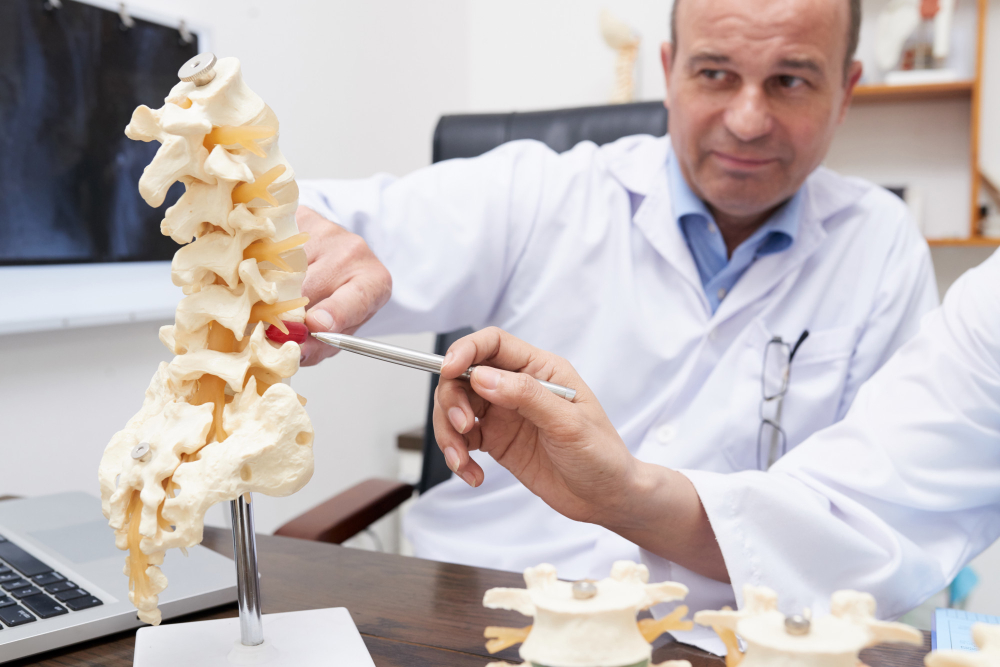
Spondylolisthesis is a condition where one of the bones in your spine slips out of place. Usually, this bone moves forward over the bone below it. Because of this shift, you may feel pain in your lower back. In some cases, the slipped bone can press on nerves. This can cause numbness or weakness in your legs. Spondylolisthesis is a common reason for lower back pain, especially in teens and adults. Early treatment can help prevent long-term problems.
Common Causes of Spondylolisthesis
There are several reasons why spondylolisthesis can happen. Sometimes, people are born with a weak spot in their spine. Other times, the problem develops over time. For example, sports that put stress on the back can cause this condition. In addition, aging can wear down the bones and joints in your spine. Here are some common causes:
Because the causes vary, it is important to know your risk factors.
Signs and Symptoms
Spondylolisthesis can cause different symptoms. Sometimes, people do not notice any problems at first. However, as the bone slips more, symptoms may appear. Common signs include:
Because these symptoms can also happen with other back problems, it is important to get a proper diagnosis.
How Spondylolisthesis is Diagnosed
If you have back pain or other symptoms, your doctor will start with a physical exam. They may ask about your medical history and any injuries. Next, your doctor may order imaging tests to see the bones in your spine. These tests can include:
With these tests, your doctor can find out how much the bone has slipped. This helps guide the best treatment plan.
Treatment Options
Treatment for spondylolisthesis depends on how severe your symptoms are. In many cases, simple steps can help. However, some people may need more advanced care. Here are common treatment options:
Because each person is different, your doctor will suggest the best plan for you. If you are searching for spondylolisthesis treatment options in your area, ask your doctor about local specialists.
Prevention and Lifestyle Tips
While you cannot always prevent spondylolisthesis, some steps may lower your risk. For example, keeping your back strong and flexible can help. Here are some tips:
Because early care can prevent problems, do not ignore back pain that lasts more than a few days.
When to See a Doctor
It is important to know when to get medical help. If you have back pain that does not improve, see your doctor. Also, seek help if you notice:
Because these signs may mean your nerves are affected, quick treatment is important.
If you think you may have spondylolisthesis, consult a neurologist or spine specialist for personalized advice on your condition.